
Weight training can support brain health by challenging your body, sharpening your focus, and helping you stay capable as you age. For adults in their 40s and beyond, strength work is not just about muscle, it is about longevity, resilience, and keeping your mind engaged for the long haul.
Key Takeaways
- Weight training supports brain health by combining movement, focus, coordination, and effort.
- Consistent strength work after 40 can help maintain physical capacity, confidence, and independence.
- Training variety matters, especially when sessions include balance, power, carries, and conditioning.
- Brad Fowler's approach at MAX Fitness focuses on practical, sustainable training for longevity.
- Start where you are, then build with structure, not hype.
Why Does Weight Training Matter For Brain Health?
Weight training matters for brain health because it forces your body and brain to work together. You have to brace, coordinate, react, remember the movement, and apply effort with control. That is a very different demand than simply sitting still or going through the motions.
I coach conditioning, agility, and functional longevity at MAX Fitness in London, Ontario. From my perspective, one of the biggest mistakes people over 40 make is thinking training is only about appearance. It is not. Your training should help you think clearly, move well, and stay useful. If your programme builds muscle but leaves you stiff, distracted, and burned out, it is missing the point.
There is also growing public interest in topics like brain health, alzeimers, and longevity. While no gym programme can promise prevention or treatment of cognitive disease, the bigger idea is simple. Physical training is one of the most practical ways to invest in healthy aging. Before starting a new programme, especially if you have health concerns, consult a qualified health professional.
How Does Strength Training Challenge The Brain?
Strength training challenges the brain through attention, timing, coordination, and decision-making. Good lifting is not mindless. It demands that you stay present.
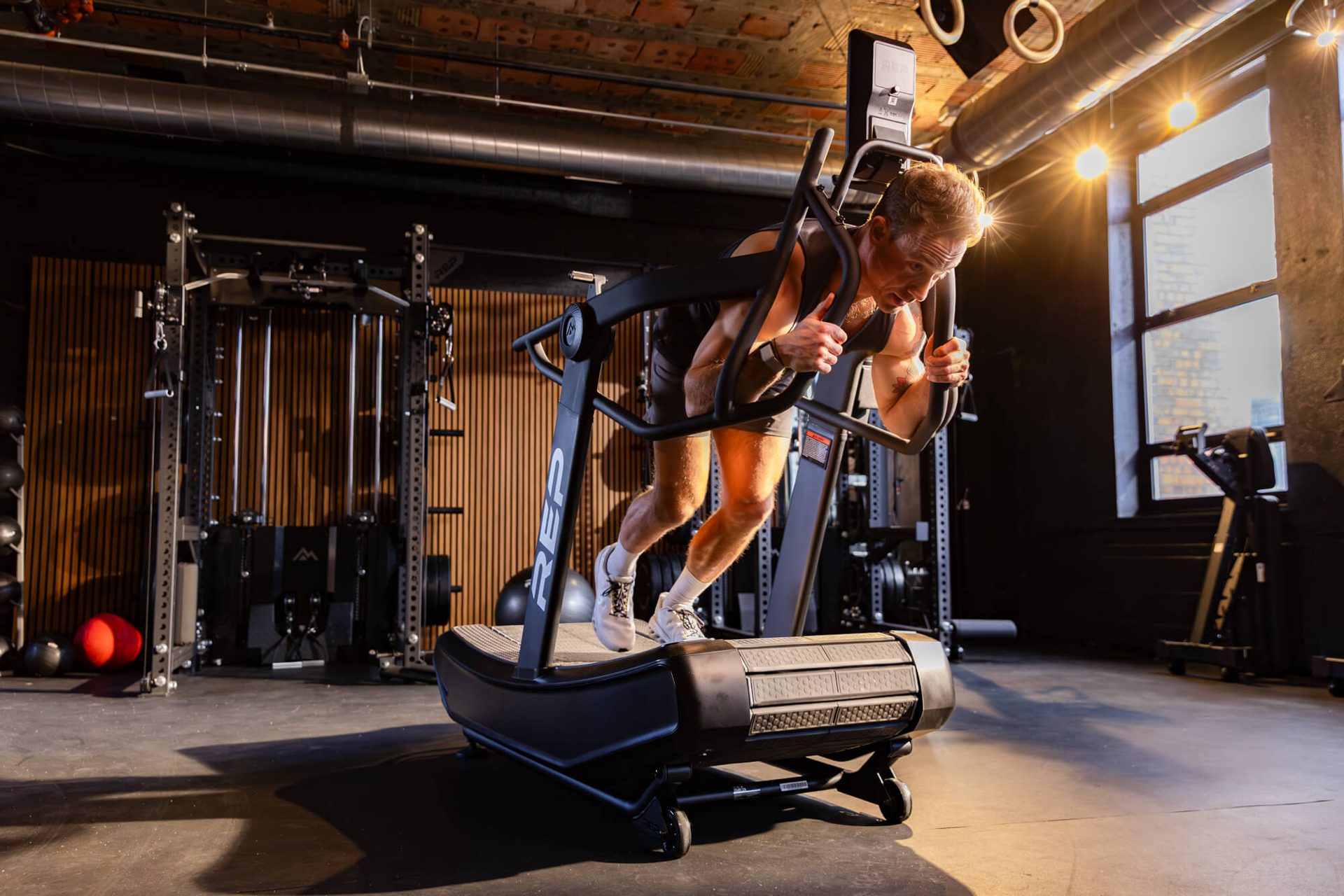
Think about a squat, a loaded carry, or a sled push. You need to control posture, breathing, tension, foot pressure, pace, and technique. Add in a new movement pattern or an agility drill and now your brain has even more work to do. This is one reason I like blending classic strength with athletic conditioning. The more appropriately you challenge movement quality, the more engaged your system has to be.
That does not mean every session needs circus tricks. It means using purposeful variety. At MAX Fitness, and especially in Fowler's Strike Force, that can include:
- Foundational lifts like squats, presses, hinges, and rows
- Carries that demand posture and full-body tension
- Agility and footwork drills that challenge reaction and coordination
- Conditioning intervals that require pacing and grit
- Kickboxing-based combinations that make you think while you move
That mix keeps training honest. It also keeps people switched on.
What Kind Of Weight Training Is Best After 40?
The best weight training after 40 is structured, progressive, and repeatable. It should build strength without beating you into the ground.
After 40, recovery matters more. Joint tolerance matters more. Time matters more. That means your plan should focus on a few basics done well. You do not need random punishment. You need consistent exposure to quality strength training, along with enough mobility, conditioning, and rest to keep moving forward.
Here is what I look for in a practical programme:
- Big movement patterns, squat, hinge, push, pull, carry, rotate
- Simple progression, more control, more reps, more load, or better quality over time
- Balance between effort and recovery, hard sessions supported by smart scheduling
- Athletic elements, footwork, reaction, and conditioning for functional longevity
- Long-term sustainability, training you can keep doing for years
That is the no-nonsense part. The best plan is the one you can recover from and repeat.
Can Conditioning Help Brain Health Too?
Yes, conditioning can support brain health when it is programmed intelligently. It challenges focus, breathing control, rhythm, and mental toughness.
People often separate lifting and conditioning as if one is for muscle and the other is for suffering. That is too simplistic. Good conditioning teaches you to regulate effort, maintain technique under fatigue, and keep working when your brain wants to check out. That skill matters for longevity.
This is one reason I use strike-based intervals, sled work, circuits, and controlled high-output efforts. In Fowler's Strike Force, members are not just throwing random punches. They are learning combinations, sequencing, posture, and pacing. That creates a training effect for the body, but it also demands attention and engagement from the mind.
What Does A Brain-Friendly Training Week Look Like?
A brain-friendly training week includes strength, conditioning, and movement variety without chaos. The goal is to train hard enough to adapt, but smart enough to recover.
A simple example for adults in their 40s and beyond could look like this:
- Day 1: Full-body strength training with carries
- Day 2: Conditioning or strike-based intervals with mobility work
- Day 3: Rest or low-intensity recovery
- Day 4: Full-body strength training with unilateral work and core control
- Day 5: Agility, footwork, and moderate conditioning
You do not need to train like a professional athlete. You do need to show up consistently and train with intent. That is what drives progress.
What Should You Avoid If You Want Long-Term Brain And Body Benefits?
Avoid random workouts, chronic exhaustion, and ego-driven training. Those mistakes stall progress and make people quit.
If your current routine leaves you constantly sore, mentally fried, or dreading the next session, it is probably not serving your long game. Another problem is boredom. The brain responds to challenge, but not to endless repetition with no purpose. On the flip side, too much novelty becomes noise.
The sweet spot is structured training with enough variety to stay sharp. That is where coaching matters. At MAX Fitness, we build programmes that match the person in front of us, not some fantasy version of them.
Why Train At MAX Fitness In London, Ontario?
MAX Fitness gives adults over 40 a coaching-based environment built for real life. We focus on results that matter, strength, conditioning, confidence, and longevity.
My role as a coach is to help people become more capable, not more dependent on motivation. Whether you are returning to exercise, trying to stay sharp as you age, or looking for a tougher but smarter outlet like Fowler's Strike Force, the goal is the same. Build a body and mindset that can carry you forward.
Our motto is Built On Grit, Guided By Science. That applies here. We do not sell hype around brain health, alzeimers, or aging. We coach the behaviours that give you the best chance to stay strong, engaged, and independent.
Frequently Asked Questions
Can Weight Training Improve Brain Health?
Weight training can support brain health by demanding focus, coordination, effort, and learning. It is not a cure or guarantee against cognitive decline, but it is a practical way to support healthy aging, especially when combined with conditioning, sleep, and consistent recovery habits.
Is Weight Training Good For Adults Over 40?
Yes. Weight training is one of the most effective tools for adults over 40 because it helps maintain strength, movement quality, and confidence. A good programme should be progressive, sustainable, and adjusted to your current ability and recovery capacity.
What Is The Best Exercise For Brain Health And Longevity?
There is no single best exercise, but a combination of strength training, conditioning, and coordinated movement is hard to beat. Squats, carries, sled work, and strike-based drills can all be useful when coached well and matched to your experience level.
How Often Should You Lift Weights After 40?
Most people do well with two to four sessions per week, depending on goals, recovery, and training history. The key is not doing the maximum possible. It is doing enough quality work consistently so your body and mind can adapt without getting run down.
What Is Fowler's Strike Force At MAX Fitness?
Fowler's Strike Force is a coached training experience at MAX Fitness that blends conditioning, footwork, striking skills, and grit. It is designed to challenge the body and mind in a practical way, while supporting confidence, coordination, and long-term athleticism.
Ready to train for strength, focus, and longevity? Take the free MAX Fitness assessment or book with Brad Fowler to find the right starting point for your goals.